Miles of fun delivered to your inbox! Join our Newsletter today!
From Movement Into Brain Power: How Daily Physical Activity Transforms Your Student’s School Day
From Movement Into Brain Power:
How Daily Physical Activity Transforms Your Student’s School Day

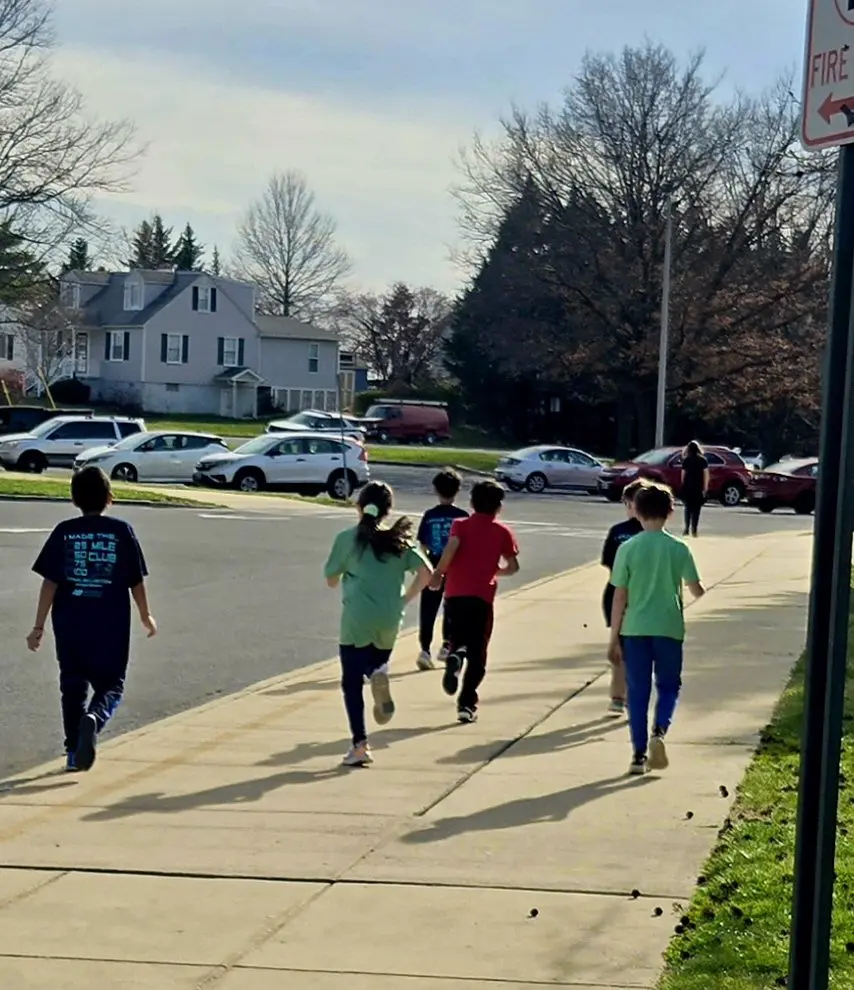
When I was a 100-miler myself back in elementary school, some part of me understood the importance of movement, and the positive impact just a few laps on the track had on my school day. None of us really knew why, but all us kiddos simply felt better about the rest of the day after running like the wind and collecting those popsicle sticks!
100 Mile Club’s mission of creating Happy, Healthy, Connected Kids through fun and energetic physical activity is more than just our dream- it’s our fact!
With the general recommendation for adolescents of 60 minutes of activity per day, and the persistent disparity in quality recess time in recent years, programs like 100 Mile Club help bridge the gap to provide students with the correct quality and intensity of activity they need.
But why does this matter? Well, even just a few minutes of movement each day could help students focus better, learn faster, and feel more confident in the classroom. Here’s some examples of how daily movement can transform multiple aspects of a student’s school experience for the better!
1. Boosting Brain Function
Let’s face it, we were all a kid at one point or another, and we know what it was like to be in a classroom for an extended period of time, trying to keep our brain occupied, and movement. According to the Centers for Disease Control and Prevention (CDC)*, physical activity increases blood flow to the brain, improving mental alertness and overall cognitive performance. Daily movement can:
- Improve memory and attention span
- Strengthen executive function, such as decision-making and problem-solving
- Support the brain’s ability to grow and adapt
2. Improving Behavior
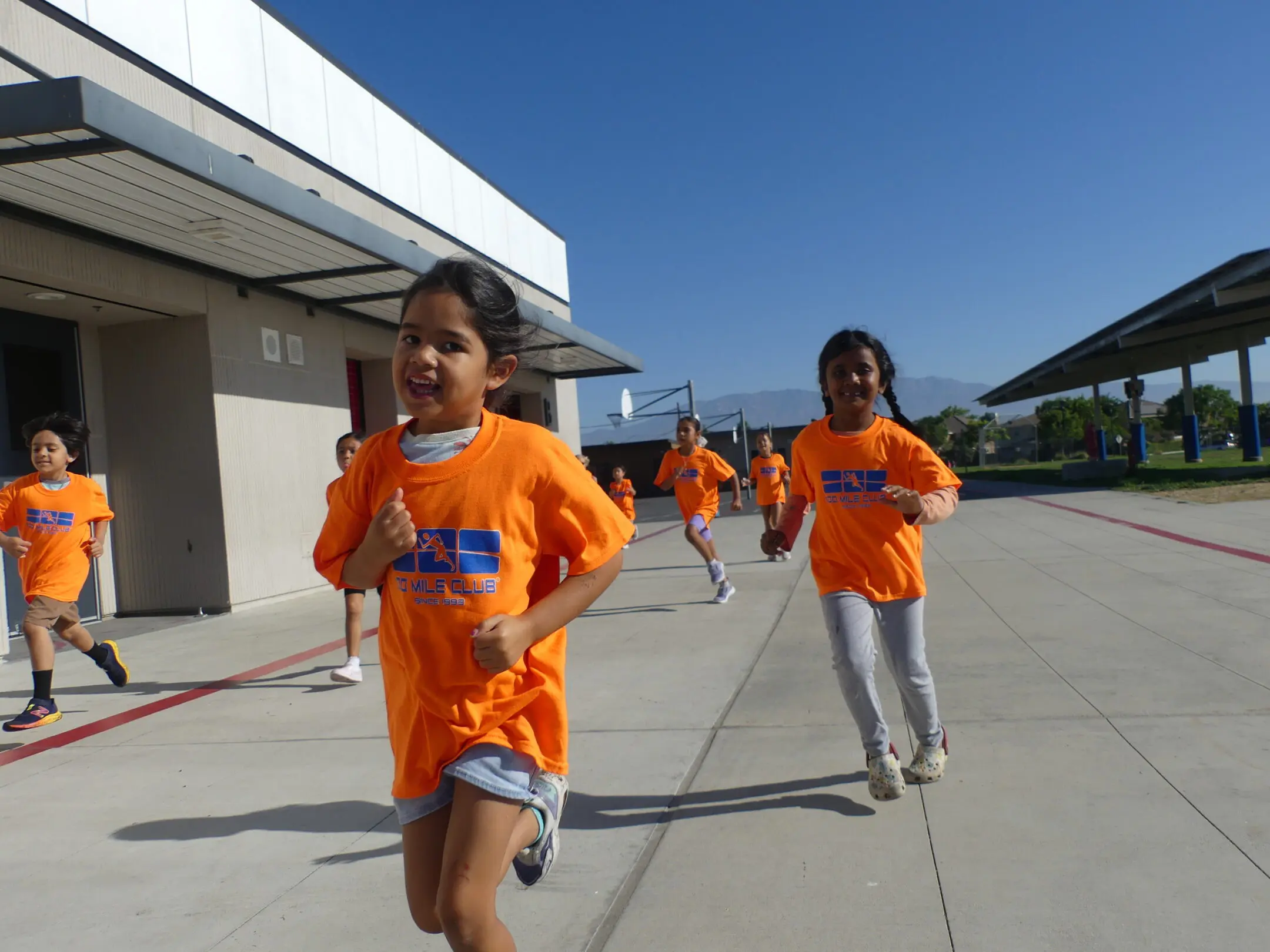
Similar to attention, behavior can be a common struggle in the classroom, and activity has an answer for that as well. Organizations such as the National Institutes of Health (NIH) have found that children who are physically active show improved focus and fewer behavioral issues in the classroom.
It’s common for certain children to be labeled with behavioral issues, when sometimes all that’s needed is some energy release through enjoyable and intense movement, and students are found to be calmer and at a higher level of readiness to learn afterwards!
Movement:
- Helps kids stay on task
- Reduces classroom disruptions
- Increases on-time attendance and engagement
3. Reducing Stress and Anxiety
From art projects, to their first ever school test, kids carry their own stress too, and it’s important they learn how to regulate it from a young age and build healthy habits! According to Harvard Health Publishing, exercise is a proven stress reliever that helps regulate mood and anxiety by reducing cortisol levels (the body’s stress hormone) and increasing endorphins.
Regular movement helps:
- Lower anxiety
- Regulate mood and behavior
- Build emotional resilience
4. Building Confidence and Community
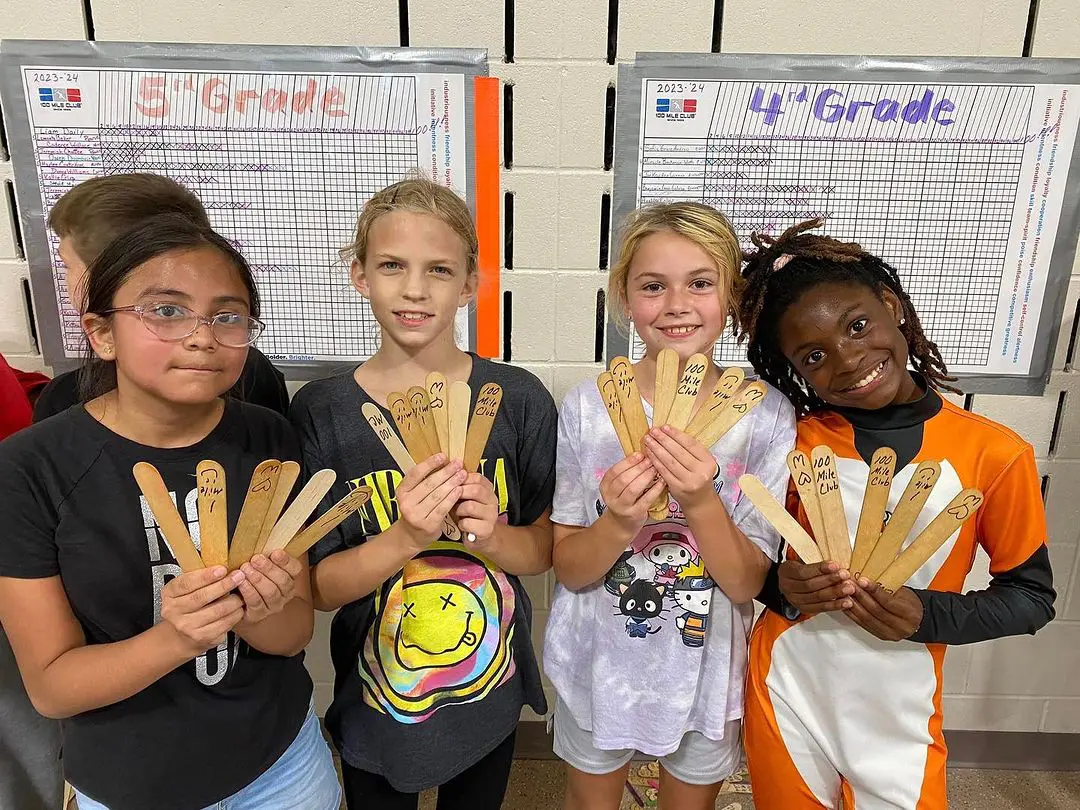
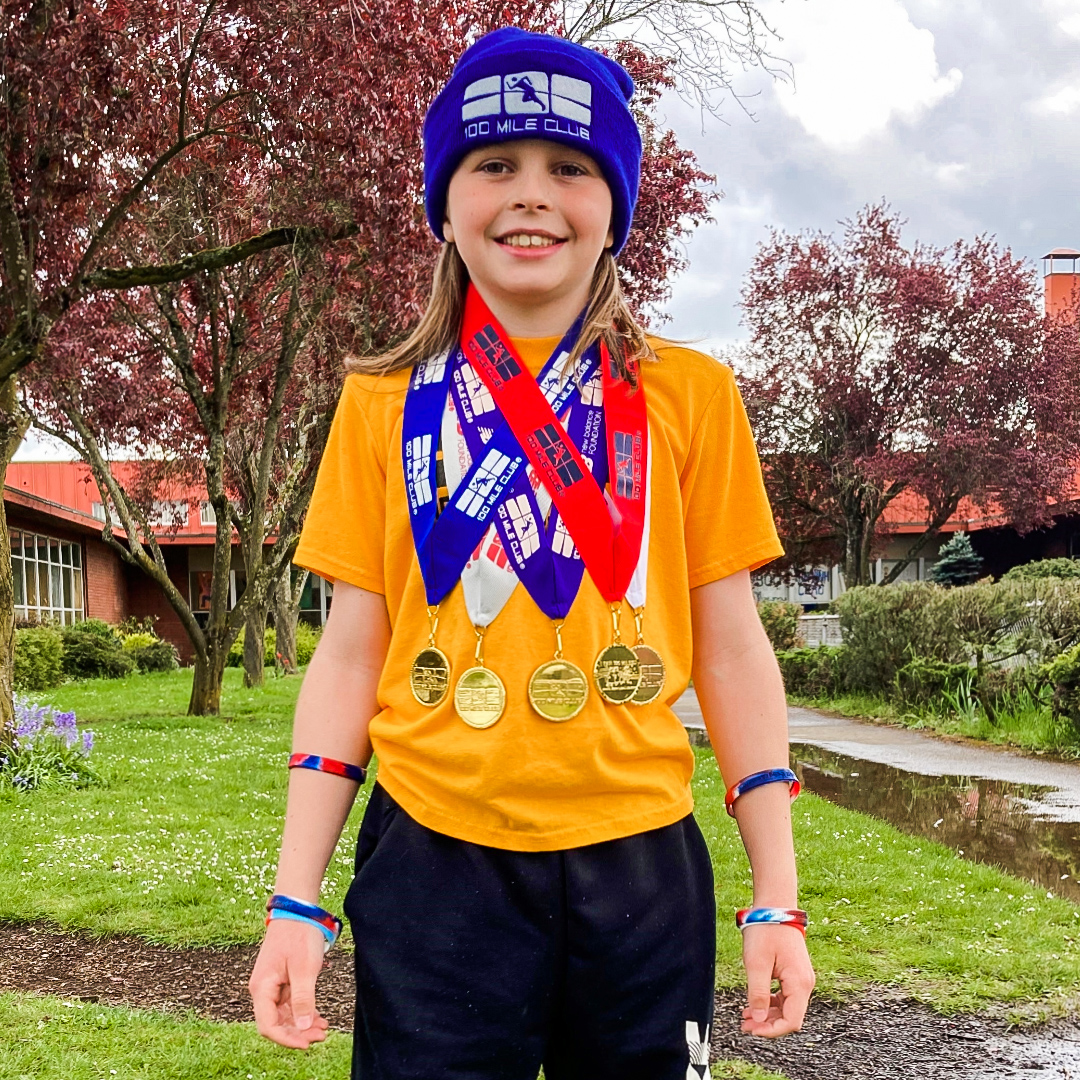
A happy and healthy kid means a well-rounded kid, and the ability to set a goal such as reaching 100 miles, and being able to achieve that with like minded students is an importance that can’t be understated. Goal-oriented physical activity helps build confidence and perseverance, especially as students see their progress grow as the year continues!
100 Mile Club turns movement into motivation, helping students:
- Develop grit and self-efficacy
- Celebrate progress and personal milestones
- Feel a sense of belonging and teamwork
Seeing the Difference
Incorporating a program like 100 Mile Club into your school day is simple, fun, and has numerous benefits for your students. Whether it’s morning miles, school break laps, or after-school jogs, a little bit of movement will go a long way to improving the lives of your students!
*Sources:
-
- Centers for Disease Control and Prevention (CDC): Physical Activity Facts
- Harvard Health Publishing: Exercising to Relax
- National Institutes of Health (NIH): Physical Activity and Brain Health